Understanding Zinc Clip-On Weights for Passenger Vehicles: A Comprehensive Guide
2025-09-19


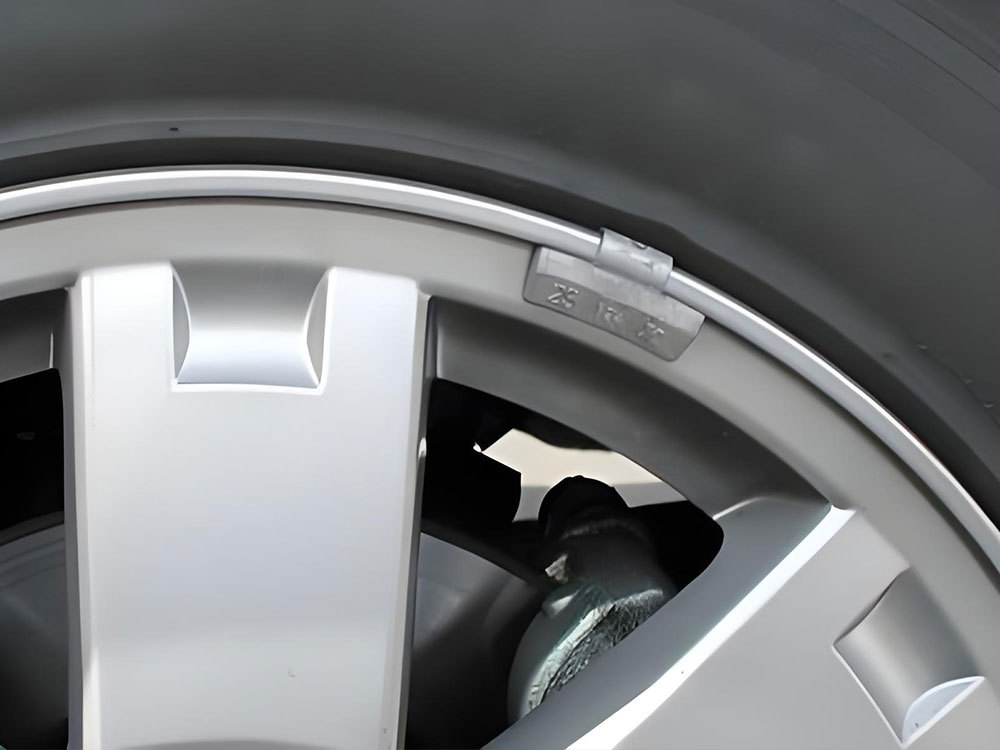
Zinc clip-on weights are an integral component in the maintenance and optimization of passenger vehicles' wheel balance. Proper wheel balance is crucial for a smooth ride, improved tire wear, and overall vehicle performance. These weights are designed to adhere to the rim of a wheel, allowing for precise adjustments that counteract any imbalances caused by uneven weight distribution.
One of the pr
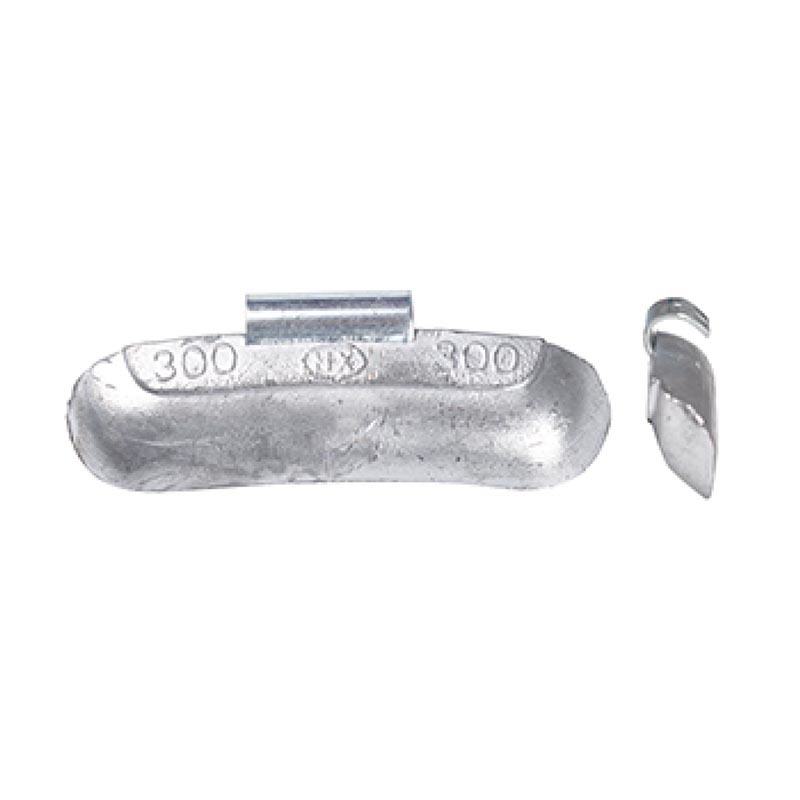
Zinc clip-on weights are an integral component in the maintenance and optimization of passenger vehicles' wheel balance. Proper wheel balance is crucial for a smooth ride, improved tire wear, and overall vehicle performance. These weights are designed to adhere to the rim of a wheel, allowing for precise adjustments that counteract any imbalances caused by uneven weight distribution.
One of the prominent advantages of using zinc as a material for these weights is its density. Zinc is relatively heavy compared to other common materials, allowing for smaller and more compact weights. This can be particularly beneficial in passenger vehicles where space and aesthetics are considerations. Additionally, zinc is resistant to corrosion, which is critical for maintaining the integrity of weights over time, especially in various environmental conditions that vehicles are exposed to.
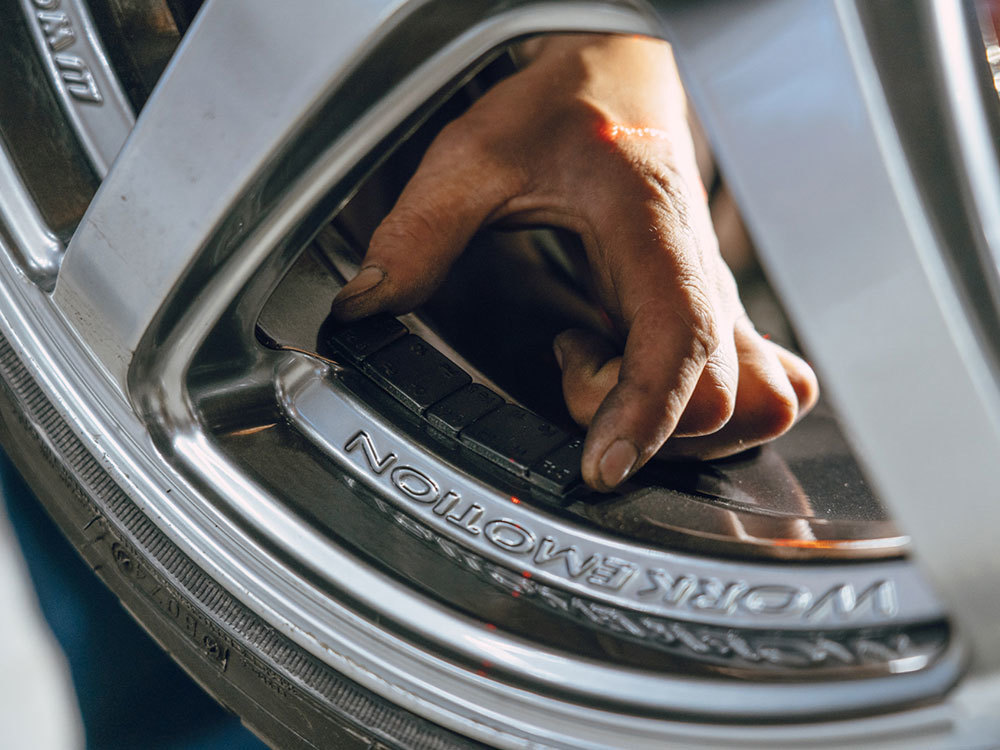
The process of balancing wheels involves mounting the wheel onto a balancing machine that identifies the heavy spots. Once identified, the technician can then apply zinc clip-on weights to the appropriate areas of the rim. This method ensures that the wheel's mass is evenly distributed, enhancing driving stability, reducing vibrations, and prolonging tire lifespan.
When selecting zinc clip-on weights for passenger vehicles, it's important to consider factors such as the weight capacity of the vehicle, the specific tire sizes, and the type of driving conditions the vehicle will encounter. Proper installation is also key; weights must be securely attached to prevent them from falling off during operation, which could lead to further imbalance and potential safety hazards.
Moreover, the environmental impact of using zinc should not be overlooked. Zinc is a recyclable material, which aligns with the growing trend towards sustainable automotive practices. By choosing zinc clip-on weights, consumers can contribute to eco-friendly initiatives while ensuring their vehicles maintain optimal performance.
In summary, zinc clip-on weights play a vital role in the wheel balancing process for passenger vehicles. Their density, corrosion resistance, and compact size make them a favorable choice for many automotive technicians and vehicle owners. By understanding their function and importance, vehicle owners can make informed decisions regarding their usage, ultimately enhancing their driving experience and maintaining their vehicle's health over time. By prioritizing wheel balance with these effective weights, drivers can ensure a smoother, safer journey on the road.
One of the prominent advantages of using zinc as a material for these weights is its density. Zinc is relatively heavy compared to other common materials, allowing for smaller and more compact weights. This can be particularly beneficial in passenger vehicles where space and aesthetics are considerations. Additionally, zinc is resistant to corrosion, which is critical for maintaining the integrity of weights over time, especially in various environmental conditions that vehicles are exposed to.
The process of balancing wheels involves mounting the wheel onto a balancing machine that identifies the heavy spots. Once identified, the technician can then apply zinc clip-on weights to the appropriate areas of the rim. This method ensures that the wheel's mass is evenly distributed, enhancing driving stability, reducing vibrations, and prolonging tire lifespan.
When selecting zinc clip-on weights for passenger vehicles, it's important to consider factors such as the weight capacity of the vehicle, the specific tire sizes, and the type of driving conditions the vehicle will encounter. Proper installation is also key; weights must be securely attached to prevent them from falling off during operation, which could lead to further imbalance and potential safety hazards.
Moreover, the environmental impact of using zinc should not be overlooked. Zinc is a recyclable material, which aligns with the growing trend towards sustainable automotive practices. By choosing zinc clip-on weights, consumers can contribute to eco-friendly initiatives while ensuring their vehicles maintain optimal performance.
In summary, zinc clip-on weights play a vital role in the wheel balancing process for passenger vehicles. Their density, corrosion resistance, and compact size make them a favorable choice for many automotive technicians and vehicle owners. By understanding their function and importance, vehicle owners can make informed decisions regarding their usage, ultimately enhancing their driving experience and maintaining their vehicle's health over time. By prioritizing wheel balance with these effective weights, drivers can ensure a smoother, safer journey on the road.
TAG:
Related Posts
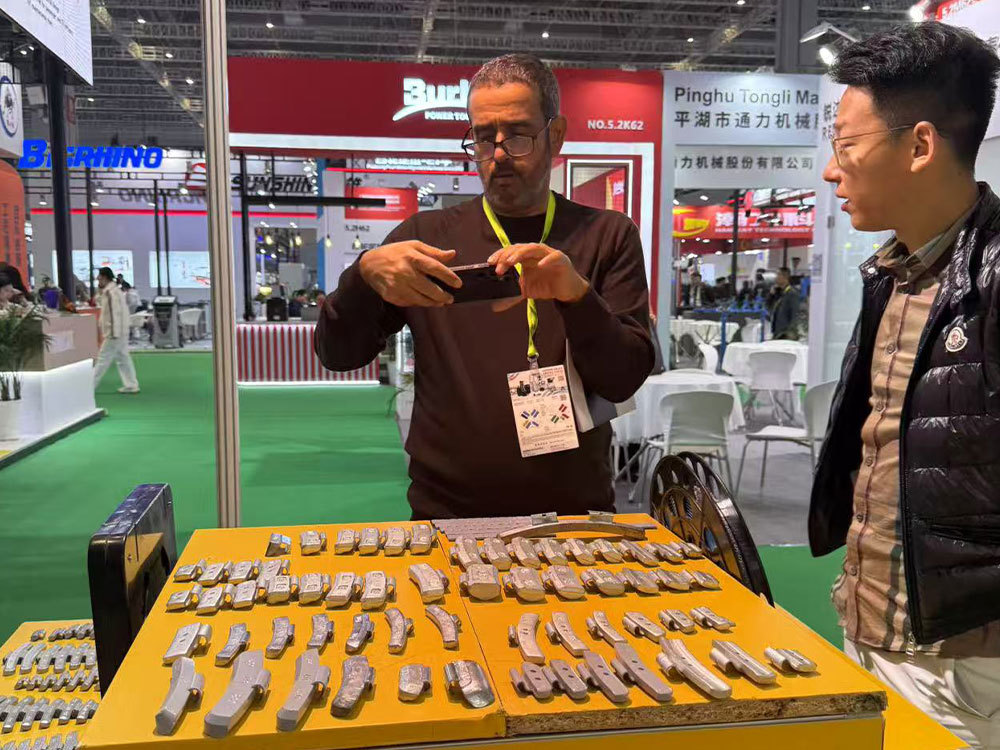
Global automotive wheel balance block industry
The global market size of automotive wheel balance weights in 2024 is approximately 4.92 billion yuan. It is expected to maintain a steady growth trend in the future
Contact Us
Sales Business:
Tel: +86-311-85939575 / +86-13673130619
Phone: +86-13933004411 (Manager Huang)
Email: wheelweights@hxphk.com
Contact Factory:
Tel: +86-317-4452233
Tel: +86-317-4452855
Email: hxphkc@126.com
What We Offer
Hebei Pan Asian Wheel weights Co.,Ltd. is an automobile wheel balance weights production enterprise that integrates scientific research, production, and sales.