
Zinc Adhesive Wheel Weights: Balancing Affordability and Quality for Steel Wheels
2025-09-04


Zinc Adhesive Wheel Weights: Balancing Affordability and Quality for Steel Wheels
Table of Contents
Introduction to Zinc Adhesive Wheel Weights
What Are Zinc Adhesive Wheel Weights?
Benefits of Using Zinc Wheel Weights for Steel Wheels
Affordability: A Key Factor
Quality Matters
Performance Enhancements
How to Install Zinc Adhe
Zinc Adhesive Wheel Weights: Balancing Affordability and Quality for Steel Wheels
Table of Contents
- Introduction to Zinc Adhesive Wheel Weights
- What Are Zinc Adhesive Wheel Weights?
- Benefits of Using Zinc Wheel Weights for Steel Wheels
- How to Install Zinc Adhesive Wheel Weights
- Choosing the Right Weights for Your Steel Wheels
- Common Misconceptions About Zinc Adhesive Wheel Weights
- Maintenance and Care for Wheel Weights
- Conclusion: The Perfect Balance of Cost and Quality
- FAQs About Zinc Adhesive Wheel Weights
Introduction to Zinc Adhesive Wheel Weights
In the automotive industry, achieving the perfect balance of wheels is critical for the performance, safety, and longevity of vehicles. When it comes to balancing steel wheels, **zinc adhesive wheel weights** offer an ideal combination of affordability and quality. Throughout this article, we will explore the essential aspects of zinc adhesive wheel weights and why they stand out as the preferred choice for both consumers and professionals alike.
What Are Zinc Adhesive Wheel Weights?
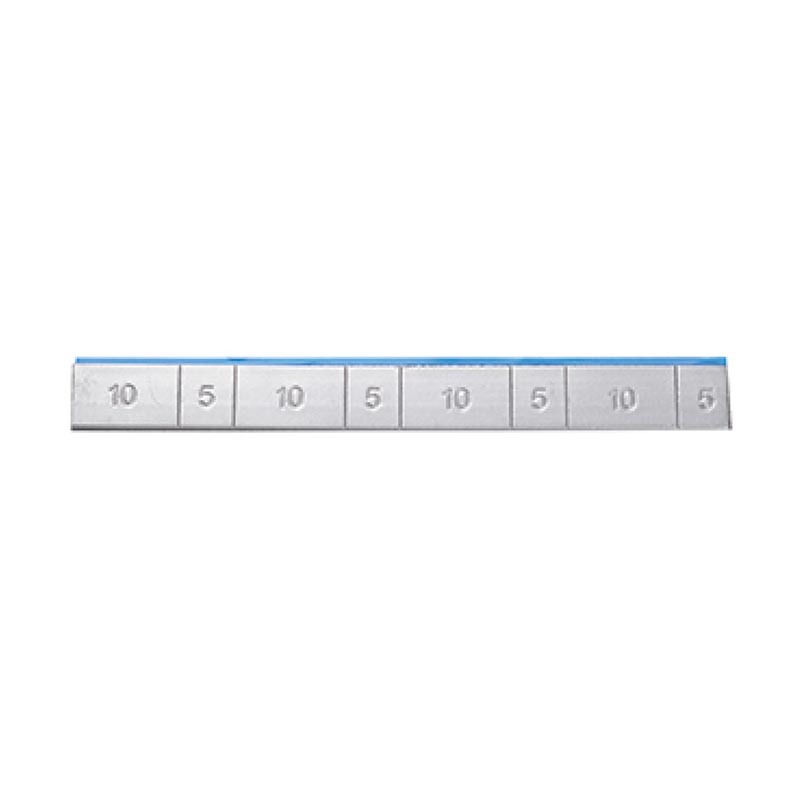
Zinc adhesive wheel weights are small, metal weights that are used to balance the wheels of vehicles, particularly steel wheels. These weights are attached to the wheel using a strong adhesive backing, ensuring they remain firmly in place during operation. Zinc, as a material, has unique properties that make it suitable for this application, such as durability, resistance to corrosion, and an advantageous weight-to-volume ratio.
These weights are designed to fit seamlessly onto the wheel rim, providing a discreet solution for achieving optimal wheel balance without compromising the appearance of the wheel itself.
Benefits of Using Zinc Wheel Weights for Steel Wheels
When selecting wheel weights, several factors come into play. Here are some key benefits of using zinc adhesive wheel weights for steel wheels:
Affordability: A Key Factor
One of the most attractive features of zinc adhesive wheel weights is their affordability. Compared to alternative materials such as lead, zinc is more cost-effective without sacrificing performance. This affordability makes them an excellent choice for both personal and commercial applications.
Moreover, the long lifespan of zinc means that investing in these weights can lead to long-term savings, as they require less frequent replacement.
Quality Matters
Quality is paramount when it comes to automotive components. Zinc adhesive wheel weights are manufactured to meet high standards, ensuring consistent performance. The adhesive backing is formulated to withstand extreme conditions, enabling the weights to remain securely attached regardless of temperature fluctuations or road conditions.
Additionally, zinc is less toxic than lead, making it a safer choice for both workers and the environment. This commitment to quality contributes to the overall reliability of vehicles while maintaining strict safety protocols.
Performance Enhancements
Properly balanced wheels result in improved vehicle performance and safety. Zinc adhesive wheel weights offer precise balancing, reducing vibrations and enhancing the overall driving experience. This precision contributes to better handling, increased fuel efficiency, and extended tire life.
In high-speed applications or in demanding environments, the performance advantages of using zinc weights become even more apparent, making them the preferred choice for many automotive professionals.
How to Install Zinc Adhesive Wheel Weights
Installing zinc adhesive wheel weights is a straightforward process that can be done by professionals or DIY enthusiasts. Here’s how to do it correctly:
1. **Prepare the Wheel Surface**: Clean the area of the wheel where the weight will be applied. Remove any dirt, grease, or old adhesive residues to ensure proper adhesion.
2. **Determine Weight Placement**: Using a wheel balancer, determine the exact amount of weight needed and where it should be placed on the wheel.
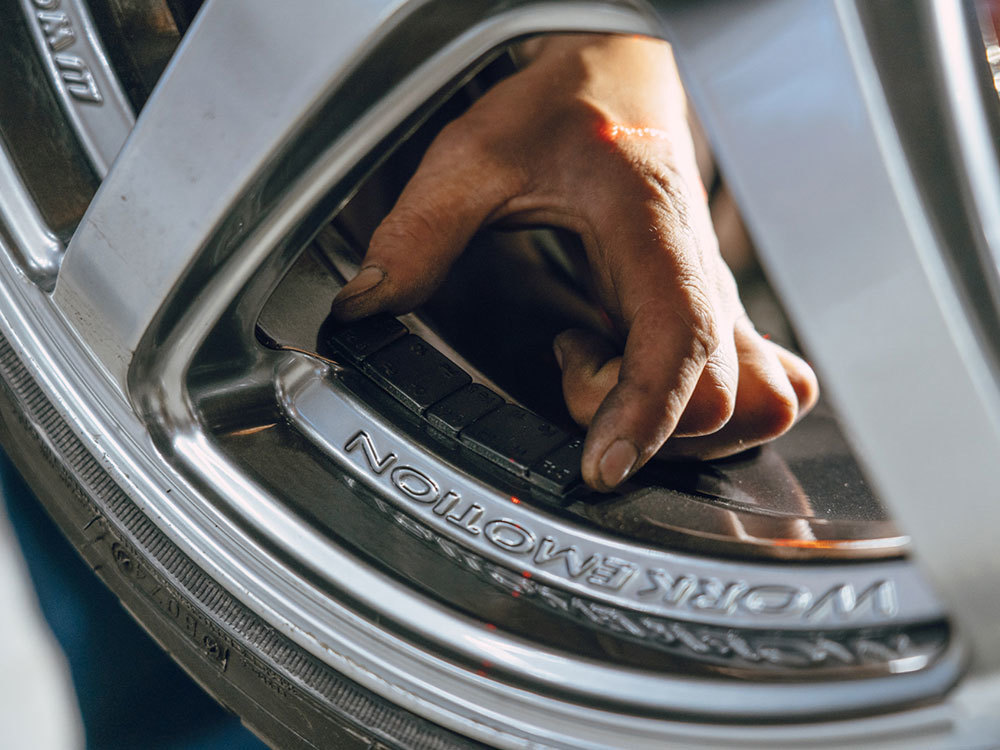
3. **Apply the Weight**: Carefully peel off the adhesive backing from the zinc weight and press it firmly onto the designated area of the wheel rim, ensuring it is securely attached.
4. **Check for Balance**: Once the weights are applied, it is essential to check the wheel balance again to confirm that the installation was effective.
5. **Final Inspection**: Inspect the wheel after a short drive to ensure that the weights remain in place and the balance is maintained.
Choosing the Right Weights for Your Steel Wheels
Selecting the appropriate zinc adhesive wheel weights for your steel wheels involves considering several factors, including the size of the weights and the specific vehicle requirements. Here are some tips for making the right choice:
1. **Consult Manufacturer Specifications**: Always refer to the vehicle manufacturer’s guidelines regarding wheel weights to ensure compatibility.
2. **Assess the Wheel Size**: Different wheel sizes will require different weights. Ensure you have the correct size for optimal performance.
3. **Consider Weight Types**: Zinc adhesive weights come in various sizes and configurations. Choose the type that aligns with your balancing needs and preferences.
4. **Evaluate Environmental Factors**: If the vehicle operates in extreme conditions, select weights that are designed to withstand such environments.
Common Misconceptions About Zinc Adhesive Wheel Weights
Despite their effectiveness, several misconceptions persist regarding zinc adhesive wheel weights. Let's address some of these myths:
1. **Myth: Zinc Weights are Less Effective Than Lead**: While lead weights have been traditionally used, zinc weights provide comparable performance and are safer for the environment.
2. **Myth: Zinc Weights Do Not Stick Well**: When applied correctly, zinc adhesive wheel weights have strong adhesion and can withstand various driving conditions.
3. **Myth: All Wheel Weights are the Same**: There are significant differences in quality and performance among various types of wheel weights. Investing in high-quality zinc weights can yield better results.
Maintenance and Care for Wheel Weights
To ensure that zinc adhesive wheel weights continue to function effectively, regular maintenance is essential. Here are some tips for proper care:
1. **Regular Inspections**: Check the weights periodically to ensure they remain securely attached and in good condition.
2. **Cleaning**: Clean the wheel rims regularly to prevent buildup that may affect the adhesion of the weights.
3. **Avoid Excessive Force**: Be cautious when washing or cleaning wheels to avoid dislodging the adhesive weights.
4. **Monitor Performance**: Pay attention to any changes in vehicle handling, which could indicate that weights need replacement or rebalancing.
Conclusion: The Perfect Balance of Cost and Quality
Zinc adhesive wheel weights represent a remarkable balance of affordability and quality, making them the go-to choice for balancing steel wheels in various automotive applications. Their durability, effective performance, and reduced environmental impact make them an increasingly popular option among both consumers and professionals.
By understanding the benefits, installation methods, and maintenance practices associated with zinc adhesive wheel weights, we can ensure optimal vehicle performance and longevity. As the automotive industry continues to evolve, zinc adhesive weights will undoubtedly play a crucial role in enhancing safety, efficiency, and overall driving experience.
FAQs About Zinc Adhesive Wheel Weights
1. **What is the main advantage of zinc adhesive wheel weights?**
The main advantage lies in their combination of affordability and quality, providing effective wheel balancing while being safer and more environmentally friendly than lead.
2. **Can I replace lead weights with zinc weights?**
Yes, zinc weights can effectively replace lead weights in most applications, provided that the correct sizing and installation methods are followed.
3. **How do I know if my zinc wheel weights are properly installed?**
Properly installed weights will stay securely attached without any noticeable vibrations or handling issues. Regular inspections can help confirm their effectiveness.
4. **Are zinc adhesive wheel weights suitable for all types of vehicles?**
While they are effective for many vehicles, it’s essential to consult manufacturer specifications to ensure compatibility.
5. **What should I do if my wheel balancer indicates a need for additional weight?**
If your wheel balancer indicates further weight is needed, you should apply the appropriate additional weight following the installation guidelines to achieve optimal balance.
TAG:
Related Posts
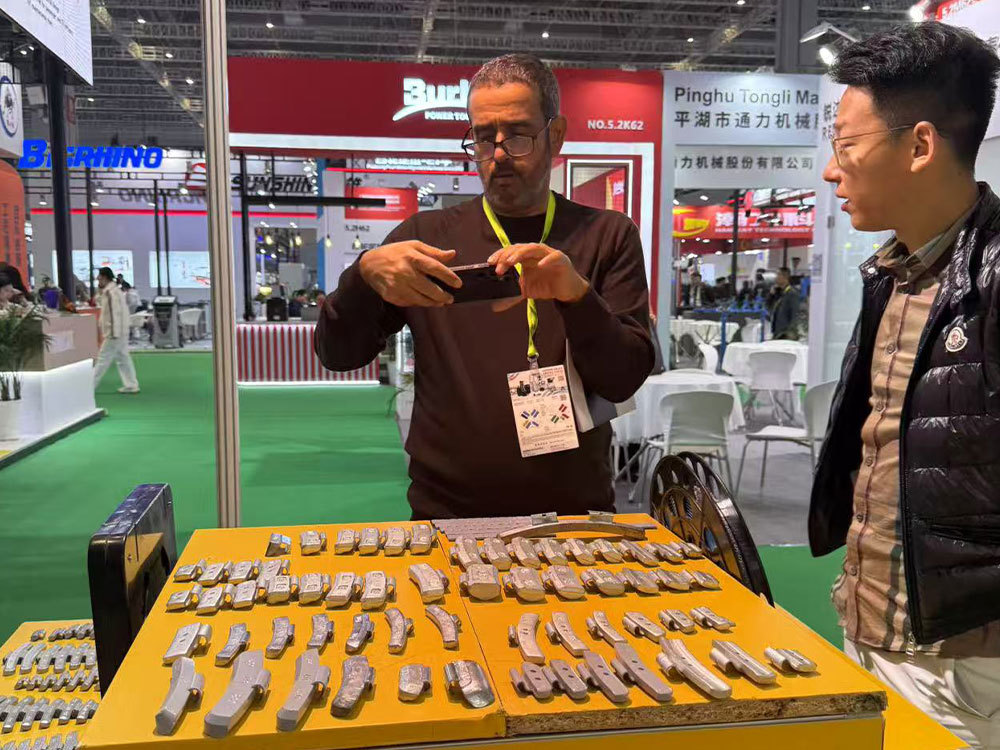
Global automotive wheel balance block industry
The global market size of automotive wheel balance weights in 2024 is approximately 4.92 billion yuan. It is expected to maintain a steady growth trend in the future

Contact Us
Sales Business:
Tel: +86-311-85939575 / +86-13673130619
Phone: +86-13933004411 (Manager Huang)
Email: wheelweights@hxphk.com
Contact Factory:
Tel: +86-317-4452233
Tel: +86-317-4452855
Email: hxphkc@126.com
What We Offer
Hebei Pan Asian Wheel weights Co.,Ltd. is an automobile wheel balance weights production enterprise that integrates scientific research, production, and sales.