
How Lead Adhesive Wheel Weights Enhance Driving Stability for Mini Buses
2025-09-02


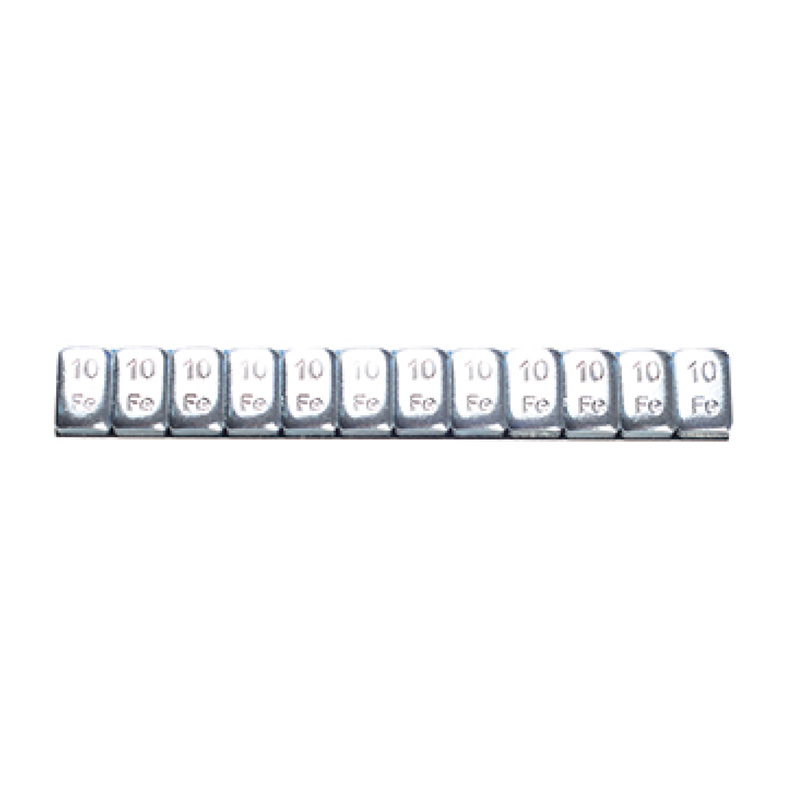
How Lead Adhesive Wheel Weights Enhance Driving Stability for Mini Buses
Table of Contents
- Understanding Wheel Weights and Their Importance
- Lead vs. Alternative Wheel Weight Materials
- Advantages of Lead Adhesive Wheel Weights
- The Impact of Wheel Weights on Driving Stability
- Installation Process of Lead Adhesive Wheel Weights
- Maintenance Tips for Optimal Performance
- Common Misconceptions about Wheel Balancing
- Frequently Asked Questions (FAQs)
Understanding Wheel Weights and Their Importance
Driving stability is crucial, especially for larger vehicles like mini buses that transport numerous passengers. **Wheel weights** are essential components that help maintain balance and stability. When a vehicle's wheels are not evenly balanced, it can lead to uneven tire wear, poor handling, and compromised safety. By strategically placing **lead adhesive wheel weights**, we can ensure that the wheels rotate smoothly, enhancing the overall driving experience.
Lead vs. Alternative Wheel Weight Materials
When it comes to wheel weights, choices abound, including materials like steel, zinc, and plastic. Each material has its pros and cons. However, **lead** has long been favored for its density. The **high density of lead** allows for smaller weights to achieve the same balancing effect compared to alternatives. This compactness is particularly beneficial in mini buses, where space is often at a premium. Additionally, lead's adhesive backing ensures a secure fit, minimizing the risk of displacement during operation.
Why Choose Lead?
Lead's **superior weight distribution** capabilities allow for finer adjustments, which is crucial for achieving optimal balance. Alternatives like zinc are often more expensive and may not offer the same level of effectiveness in small spaces. Moreover, lead's **cost-effectiveness** makes it a preferred choice for fleet vehicles like mini buses, where maintenance budgets are often tightly controlled.
Advantages of Lead Adhesive Wheel Weights
1. Enhanced Stability
One of the primary benefits of using lead adhesive wheel weights is the significant enhancement in vehicle stability. Properly balanced wheels reduce vibrations and improve handling, resulting in a smoother ride. Passengers in mini buses will notice the difference, particularly during sharp turns or when driving over uneven surfaces.
2. Reduced Tire Wear
Imbalanced wheels can cause uneven tire wear, leading to premature replacement. By using lead adhesive wheel weights to achieve proper balance, we can extend the lifespan of tires, ultimately saving on replacement costs. **Regularly checking wheel balance** is an essential part of vehicle maintenance.
3. Fuel Efficiency
Balanced wheels contribute to better fuel efficiency. When wheels are out of balance, the engine has to work harder to compensate, leading to increased fuel consumption. By ensuring that mini buses are equipped with lead adhesive wheel weights, we can enhance fuel efficiency, which is particularly important for businesses operating fleets.
4. Improved Safety
A well-balanced wheel system significantly contributes to the safety of any vehicle. By reducing the chances of a blowout or loss of control, lead adhesive wheel weights help ensure that mini buses provide a safe travel experience for all passengers.
The Impact of Wheel Weights on Driving Stability
The relationship between wheel weights and driving stability cannot be overstated. Properly balanced wheels improve steering response and vehicle control, especially in adverse weather conditions. For mini buses, which often navigate through urban areas and varying terrains, this control is paramount. In particular, lead adhesive weights help distribute weight evenly across all wheels, minimizing the risk of skidding or hydroplaning.
Real-World Applications
Many **bus fleet operators** have reported noticeable improvements in vehicle handling after switching to lead adhesive wheel weights. This change often results in better customer satisfaction due to the enhanced comfort of the ride and increased safety measures.
Installation Process of Lead Adhesive Wheel Weights
Installing lead adhesive wheel weights is a straightforward process that can be performed by both professionals and experienced DIY enthusiasts. Here’s how to do it:
Step 1: Gather Necessary Tools
Before starting the installation, gather the necessary tools, including a clean cloth, a tire pressure gauge, and, if possible, a wheel balancer.
Step 2: Clean the Wheel Surface
Ensure that the wheel surface where the adhesive weight will be attached is clean and free of debris to promote strong adhesion.
Step 3: Determine Weight Placement
Use a wheel balancer to identify where the lead adhesive weights should be placed. This step is crucial for achieving the best balance.
Step 4: Attach the Weights
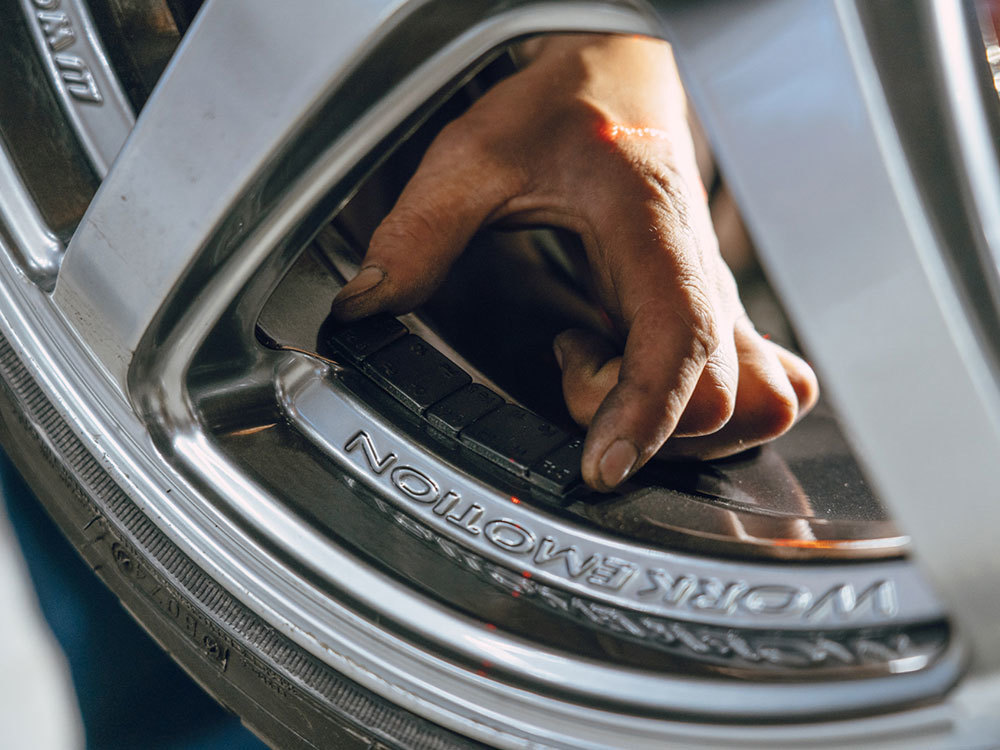
Peel the backing off the adhesive side of the lead weights and press them firmly onto the designated areas of the wheel. Make sure they are securely attached.
Step 5: Recheck Balance
After installation, recheck the wheel balance to ensure that the weights are effectively distributing weight and making necessary adjustments.
Maintenance Tips for Optimal Performance
To ensure that lead adhesive wheel weights continue to function effectively, follow these maintenance tips:
1. Regular Inspections
Conduct regular inspections of your mini bus wheels to check for any signs of imbalance or wear.
2. Tire Rotation
Implement a routine tire rotation schedule to promote even tire wear and ensure that weights remain effective.
3. Monitor Tire Pressure
Maintain the appropriate tire pressure, as under-inflated or over-inflated tires can lead to imbalanced conditions.
Common Misconceptions about Wheel Balancing
1. Wheel Balancing is a One-Time Job
Many believe that wheel balancing is a one-time task. However, it should be checked regularly, especially after significant driving or tire changes.
2. All Weights are the Same
Not all wheel weights are created equal. The effectiveness of the material and design can significantly impact performance.
Frequently Asked Questions (FAQs)
1. How do I know if my wheels are out of balance?
Common signs include vibrations in the steering wheel, uneven tire wear, and pulling to one side while driving.
2. Can I install lead adhesive wheel weights myself?
Yes, with the right tools and a little know-how, you can install them yourself. However, professional installation is recommended for optimal results.
3. Are there any environmental concerns with lead wheel weights?
While lead is effective, it is essential to dispose of old weights properly to mitigate environmental impact.
4. How often should I check my wheel balance?
It is advisable to check wheel balance every 5,000 to 10,000 miles, or whenever you notice any related symptoms.
5. Will lead adhesive weights work on all types of mini buses?
Yes, lead adhesive weights can be used on various types of mini buses, as they are adaptable for different wheel sizes and weights.
Conclusion
In summary, lead adhesive wheel weights are indispensable for enhancing driving stability in mini buses. Their effective weight distribution and compact size make them ideal for ensuring a smooth and safe ride. By employing proper installation and maintenance practices, we can maximize the benefits of these weights, leading to improved vehicle performance and passenger satisfaction. Ultimately, prioritizing wheel balance with lead adhesive weights contributes significantly to the overall operation of mini buses, ensuring that they remain a reliable mode of transportation for all.
Related Posts
Global automotive wheel balance block industry

Contact Us
Sales Business:
Tel: +86-311-85939575 / +86-13673130619
Phone: +86-13933004411 (Manager Huang)
Email: wheelweights@hxphk.com
Contact Factory:
Tel: +86-317-4452233
Tel: +86-317-4452855
Email: hxphkc@126.com
What We Offer
Hebei Pan Asian Wheel weights Co.,Ltd. is an automobile wheel balance weights production enterprise that integrates scientific research, production, and sales.